How Parenthood Changes Who You Allow in Your Circle
Becoming a parent sharpens your awareness and makes high standards non-negotiable. Every interaction matters now, because the people in your life directly influence your children.
Kris Cashion
Mama, Blogger, Coffee Enthusiast
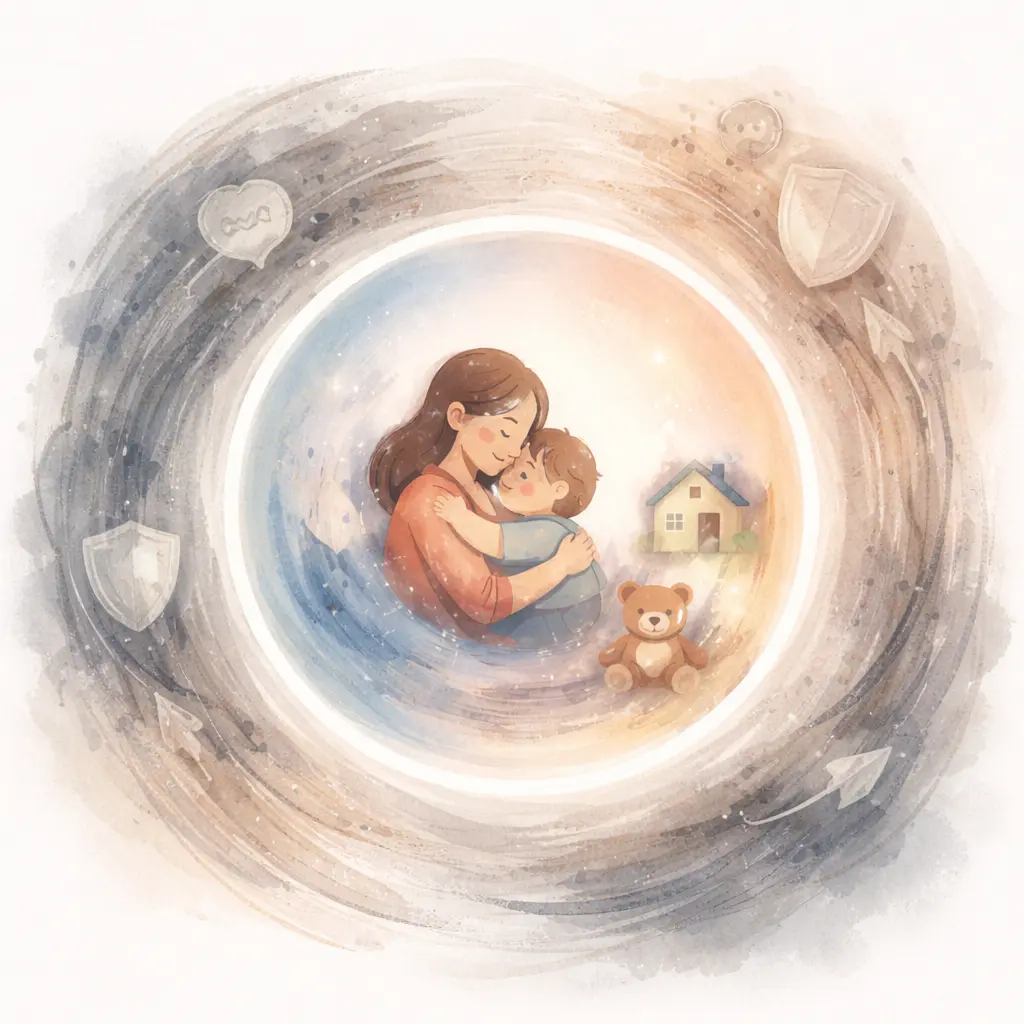
(Why the People Around You Directly Influence Your Children)
Becoming a parent sharpens your awareness in ways nothing else can. I've always held high standards for the people in my life, but having a child has made those standards non-negotiable.
Every interaction matters now. Every comment, every joke, every way someone speaks or handles conflict is witnessed by my daughter—and those moments leave a lasting impression.
Parenthood doesn't just change your schedule. It changes your discernment.
⸻
Children Learn From the Adults Around Them
Children don't only learn from what we teach them directly. They learn by observing the adults in their environment. The people in our circle model:
- How to speak to others
- How to handle conflict
- What behavior is acceptable
- What values are worth protecting
That's why being intentional about who surrounds your child matters.
I want my daughter to be around people who believe in God, speak kindly, practice honesty, and value generosity, respect, and hard work. I want her to see adults who are willing to have hard conversations—not to create conflict, but to resolve it.
⸻
The Difference Between Peacekeeping and Peacemaking
There is a difference between keeping the peace and making peace.
You cannot keep peace if peace has never been made.
Peacemaking means addressing issues directly, with kindness and humility. It means having difficult conversations because you value resolution and growth. Peacekeeping—avoiding conflict, gossiping, or venting to everyone except the person involved—only allows wounds to deepen.
The way adults handle conflict teaches children how to handle it too.
⸻
Love Does Not Equal Healthy Influence
This is one of the hardest lessons of parenthood: someone can love your child deeply and still model behavior you don't want influencing them.
Love alone does not override impact.
If someone consistently uses inappropriate language, speaks disrespectfully, or behaves in ways I don't want normalized for my daughter, I will remove her from that environment—regardless of who it is.
Boundaries are not punishment. They are protection.
⸻
You Are the Filter for Your Child's World
Inside your home is the one place you can fully control what values are taught and modeled. Outside of it, you become the filter.
Sometimes that means leaving early.
Sometimes it means skipping the gathering entirely.
Sometimes it means disappointing others.
And that is okay.
Choosing not to expose your child to certain behaviors—even within traditions—is an act of intentional parenting, not rejection.
⸻
Choosing Conviction Over Guilt
Parenthood brings a deep sense of responsibility. It clarifies your values and strengthens your faith. It's also humbling to know your choices directly shape an innocent life.
What's best for my daughter comes before everything else.
I've accepted that others may disagree with my boundaries. That is not mine to carry. I am confident in my decisions as a mother and will enforce my expectations with love and clarity.
You are not required to stay in relationship with anyone whose influence you do not want around your children.
Protecting your child's environment is one of the most powerful ways you can love them.
Love & Lattes,
Kris
Tags
You Might Also Like
When Did Motherhood Become a Prison Sentence?
Being a mom is hard work, but being miserable is a choice.
Read More →
I Never Wanted Kids—Until Motherhood Became My Calling
I never imagined myself as a mom—until I was called to it. This is the story of how motherhood transformed my priorities, deepened my faith, and gave me a purpose I never knew I was missing.
Read More →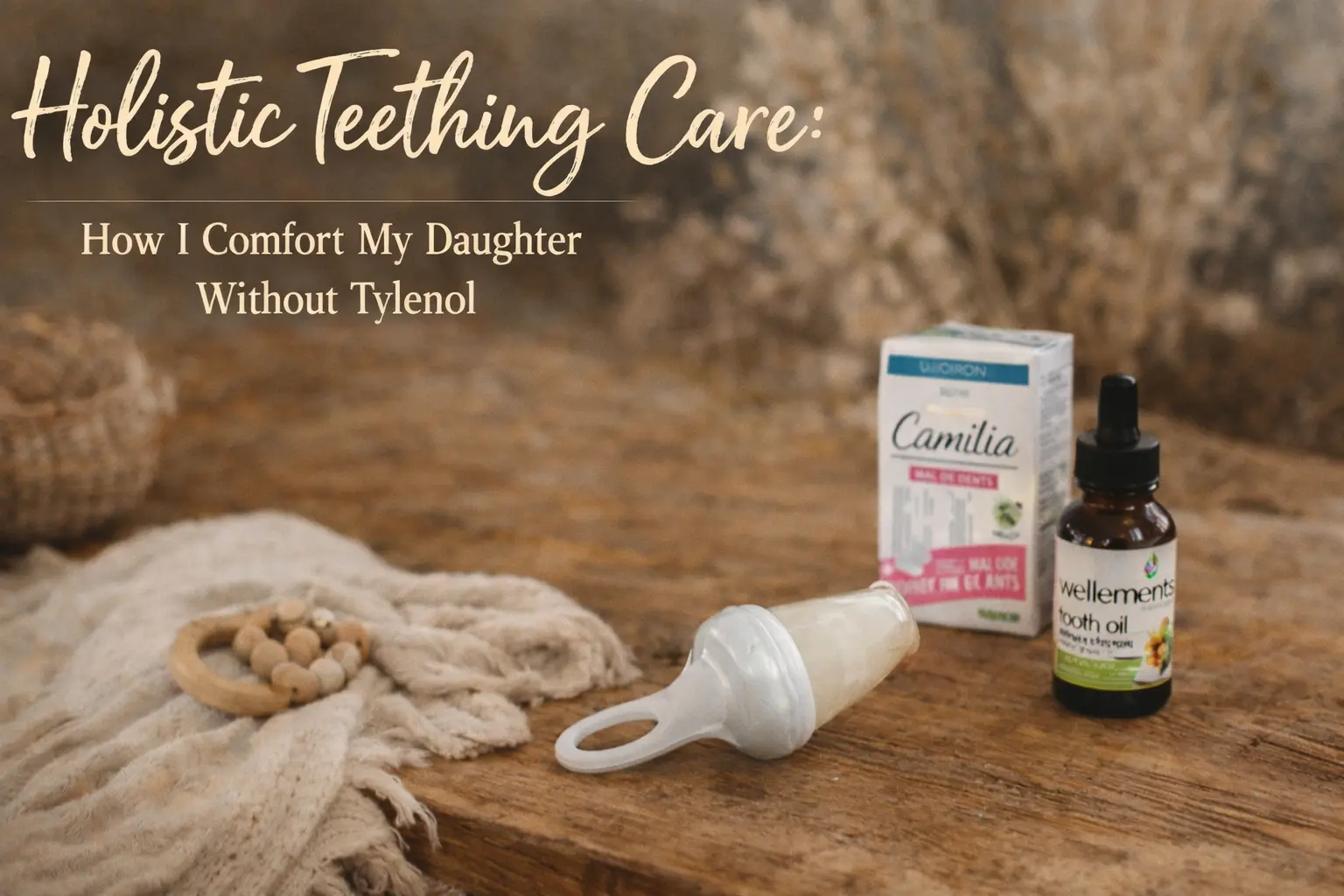
Holistic Teething Care: How I Comfort My Daughter Without Pharmaceuticals
Teething is one of those milestones every parent braces for. From the beginning, I knew I wanted to support my daughter as holistically as possible, without reaching for Tylenol. Here's what's worked for us.
Read More →